Marketing Automation in Singapore: What It Does, What It Costs, and the PDPA Part Most Guides Skip
Marketing automation in Singapore usually means one of two very different purchases: a scheduling and sequencing tool that sends what you tell it to send, or a system that decides what to send based on behaviour. The first is a calendar with a database attached and is genuinely useful. The second changes who receives what without a human in the loop each time, which is where both the value and the compliance exposure live. This guide separates the two, sets out realistic costs for a Singapore SME, and covers the Do Not Call and PDPA obligations that most vendor material treats as a footnote.
What You Are Actually Buying
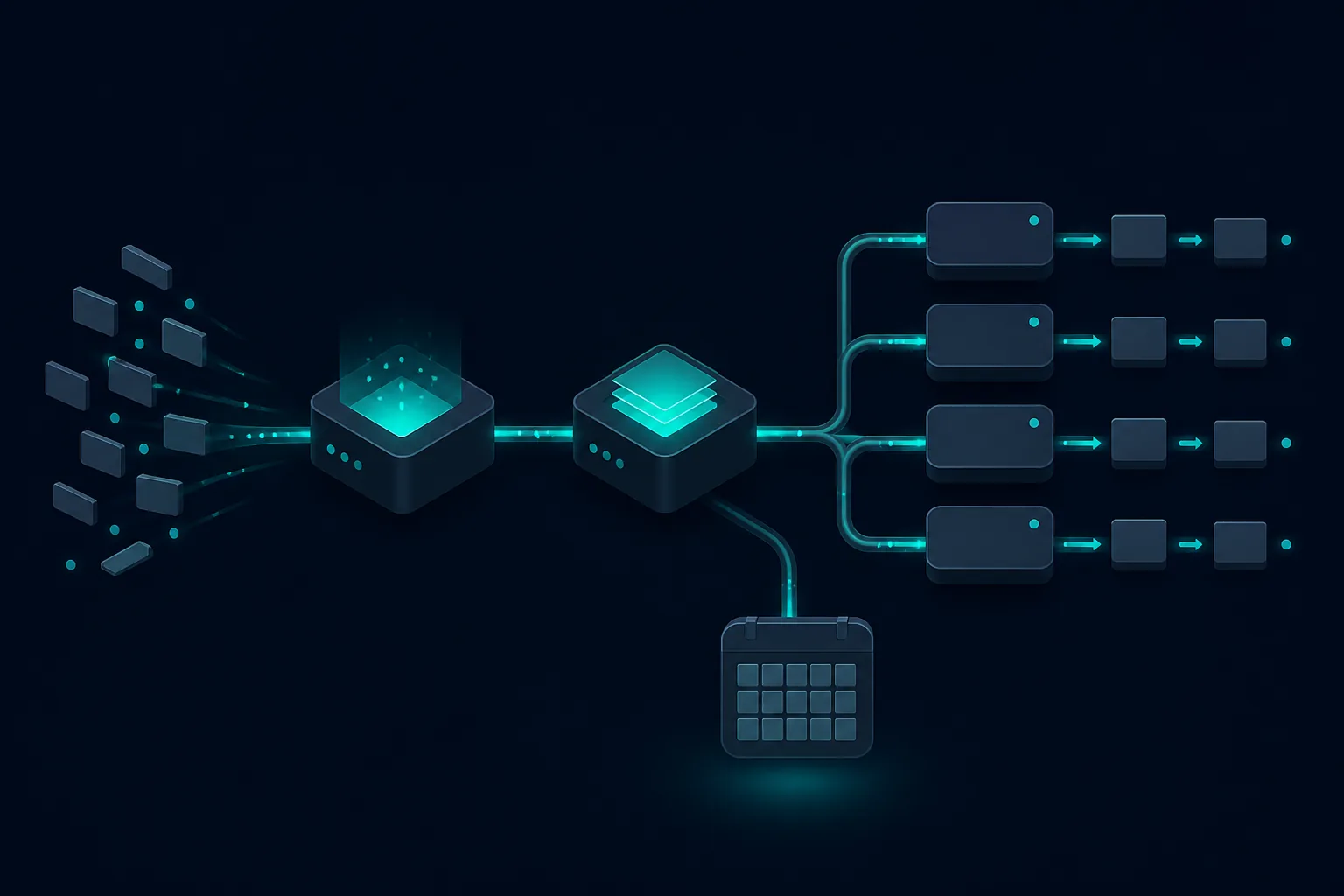
Strip away the category names and marketing automation platforms do four things:
Store and segment contacts. A database with the ability to define groups by attribute or behaviour. Every platform does this; the differences are in how easily segments update themselves.
Send sequences. Multi-step email or message flows triggered by an event: a form submission, a page visit, a date. This is the core of the category.
Score and route. Assign a value to a contact based on what they have done, then act on it — notify a salesperson, move them into a different track, or suppress them.
Report. Attribute outcomes back to sources and campaigns.
The first two are commodity. Most of the practical difference between platforms sits in the third, and most of the buyer's remorse comes from underestimating the work of maintaining it.
Realistic Costs for a Singapore SME
Platform pricing is usually per-contact or per-seat and scales in ways that surprise people at renewal, because your contact database grows whether or not your revenue does. Budget for the database growing faster than the results.
The larger and less visible cost is content. A four-step nurture sequence needs four pieces of writing that are worth receiving, plus the judgment to know when to stop sending. A platform licence with nothing good to send through it produces unsubscribes at a predictable rate. Most stalled implementations in this market are content problems wearing a software costume.
Third is integration. Marketing automation earns its keep when it can see what happened after the click, which means a working connection to your CRM and, ideally, to whatever system records a closed deal. Without that loop you are optimising open rates rather than revenue.
The PDPA and Do Not Call Part
This is the section most vendor guides compress into a sentence, and it is the one with statutory consequences in Singapore.
Two distinct obligations apply, and conflating them is a common and expensive error:
The Do Not Call (DNC) Registry governs marketing messages sent to Singapore telephone numbers, which includes SMS and voice calls. Before sending a marketing message to a Singapore number, you must check the relevant DNC register unless you have valid clear and unambiguous consent, or an exemption applies. Automation makes this obligation easier to breach at scale, not harder, because nobody is looking at each send.
The PDPA's consent and purpose limitation obligations govern personal data generally, including email addresses. Data collected for one stated purpose cannot be freely repurposed for another. A contact who gave you their email to download a guide has not necessarily consented to a sales sequence.
The practical implication for automation design: consent state and DNC status must be a field the system checks before sending, not a spreadsheet someone reconciles monthly. If your platform cannot suppress on that basis automatically, the compliance control does not exist in any meaningful sense.
For the broader obligations that apply once an automated system is making decisions about people, see our PDPA compliance guide for AI agents.
Where Automation Stops and Judgment Starts
A sequencing tool executes what you configured. It does not know that a recipient just raised a support complaint, or that the deal went quiet for a reason worth understanding, or that the message it is about to send is the wrong message this week.
That gap is why the better implementations keep a human decision point on anything consequential: the first outbound message to a new contact, any message to an account in an active dispute, and anything that goes out under a person's name. Everything genuinely routine can run unattended.
We build the routing and scoring layer this way as a matter of course, with a full log of what the system decided and why, and an approval gate on anything that sends. The lead generation pipeline is the same shape.
A Buyer's Checklist
Before signing anything, get written answers to these:
- How does pricing change as the contact database grows? Ask for the number at 2x and 5x your current list.
- Can the system suppress sends based on consent state and DNC status automatically? If this requires a manual process, it will fail.
- What happens to your data if you leave? Export format, and whether behavioural history comes with it.
- Who writes the content? If the answer is unclear, the licence will sit unused.
- Does it connect to your CRM bidirectionally? One-way sync means your sales team's knowledge never reaches the automation.
If a vendor cannot answer point two crisply, treat that as disqualifying rather than as a detail to resolve later.
Frequently Asked Questions
What does marketing automation cost in Singapore?
Platform licences are typically priced per contact or per seat and scale as your database grows, but the licence is rarely the largest cost. Content production and CRM integration usually exceed it, and a licence with nothing worth sending through it produces unsubscribes rather than pipeline.
Does the Do Not Call Registry apply to marketing automation?
Yes, for marketing messages sent to Singapore telephone numbers, including SMS. You must check the relevant DNC register before sending unless you have valid clear and unambiguous consent or an exemption applies. Automation increases the risk because no human reviews each individual send.
Is email covered by the Do Not Call Registry?
No. The DNC Registry covers Singapore telephone numbers. Email is governed by the PDPA's consent and purpose limitation obligations, which are separate requirements — meeting one does not satisfy the other.
What is the difference between marketing automation and a CRM?
A CRM is the system of record for relationships and deals. Marketing automation acts on that record by sending sequences and scoring behaviour. They overlap in modern platforms, but the distinction matters when integrating: without a bidirectional connection, your sales team's knowledge never reaches the automation.
Can marketing automation replace a marketing hire?
No, and implementations that assume it can tend to stall. Automation removes repetitive execution; it does not decide positioning, write content worth receiving, or judge when a sequence should stop. It multiplies a marketer rather than substituting for one.